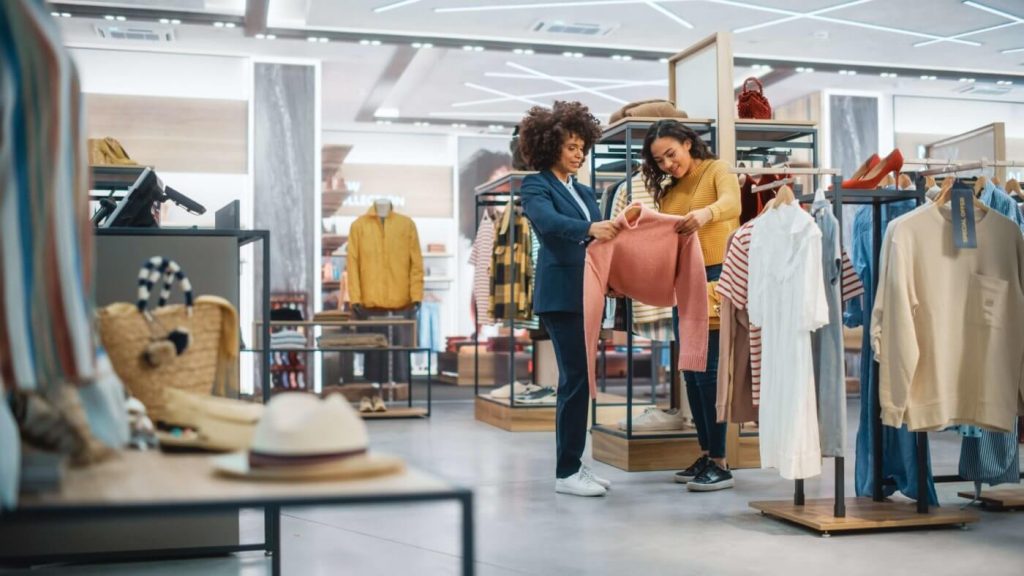

Boutique fashion has reshaped the way modern consumers shop by prioritizing individuality, connection, and customization. In a retail world dominated by mass production, boutiques stand out by offering experiences that feel personal, intentional, and human-centered. This personalized approach not only attracts customers but also builds long-term loyalty.
The Essence of Personalization in Boutique Fashion
At the heart of boutique fashion lies a deep understanding of the customer. Rather than appealing to everyone, boutiques focus on specific tastes, lifestyles, and values, allowing shoppers to feel seen and understood.
Personalization in boutiques often includes:
-
Thoughtfully curated collections
-
One-on-one customer interaction
-
Tailored styling advice
-
Limited-edition or exclusive designs
Curated Collections That Reflect Individual Style
Unlike large retailers that stock thousands of similar items, boutique fashion emphasizes careful selection. Every piece is chosen to align with a clear aesthetic or theme, helping customers find items that match their personal style effortlessly.
This curated approach:
-
Reduces choice overload
-
Enhances confidence in purchases
-
Creates a sense of exclusivity
Personalized Customer Service as a Core Experience
Boutique fashion thrives on human interaction. Staff members often take time to learn customer preferences, sizes, and shopping habits, turning casual visits into meaningful experiences.
Key elements include:
-
Style recommendations based on individual taste
-
Honest feedback and fashion guidance
-
Remembering repeat customers and preferences
Customization and Limited-Edition Offerings
Many boutiques offer customization options that mass retailers cannot easily replicate. These may include altered fits, personalized accessories, or made-to-order designs.
Benefits of customization:
-
Products feel unique and personal
-
Customers develop emotional attachment
-
Reduced likelihood of duplicate outfits
Boutique Atmosphere Enhances Emotional Connection
The physical and visual environment of boutique fashion stores plays a major role in personalization. From lighting and music to layout and scent, every detail is designed to create a welcoming, intimate atmosphere.
This environment:
-
Encourages longer store visits
-
Makes shopping feel relaxed and enjoyable
-
Strengthens brand identity
Digital Personalization in Online Boutique Fashion
Modern boutiques extend personalization into the digital space. Online boutique fashion brands use tools that replicate in-store attention.
Common digital personalization methods include:
-
Personalized product recommendations
-
Style guides and curated lookbooks
-
Direct communication through social media and messaging
Building Relationships Beyond Transactions
Boutique fashion focuses on relationship-building rather than volume sales. Customers are treated as individuals, not order numbers, fostering trust and loyalty over time.
This relationship-driven approach leads to:
-
Repeat purchases
-
Word-of-mouth referrals
-
Strong brand communities
Why Personalized Boutique Fashion Matters Today
Modern consumers value authenticity, self-expression, and meaningful experiences. Boutique fashion meets these expectations by offering shopping journeys that feel personal, thoughtful, and aligned with individual identity.
As fast fashion fatigue grows, boutique fashion continues to thrive by delivering connection over convenience.
FAQs
How does boutique fashion differ from mass-market fashion?
Boutique fashion focuses on curated selections, personalized service, and unique designs, while mass-market fashion prioritizes volume and standardization.
Why do customers feel more valued in boutique stores?
Because boutiques offer individual attention, tailored recommendations, and a more intimate shopping environment.
Is boutique fashion only for luxury shoppers?
No. Boutique fashion exists at various price points and often emphasizes value, quality, and uniqueness over luxury pricing.
How do online boutiques personalize the shopping experience?
Through curated collections, personalized recommendations, interactive content, and direct customer communication.
Does personalization increase customer loyalty in boutique fashion?
Yes. Personalized experiences create emotional connections that encourage repeat visits and long-term loyalty.
Are boutique fashion items more sustainable?
Often, yes. Many boutiques focus on small-batch production, ethical sourcing, and reduced waste.
Can small boutiques compete with large fashion retailers?
Absolutely. Their strength lies in personalization, storytelling, and meaningful customer relationships rather than scale.