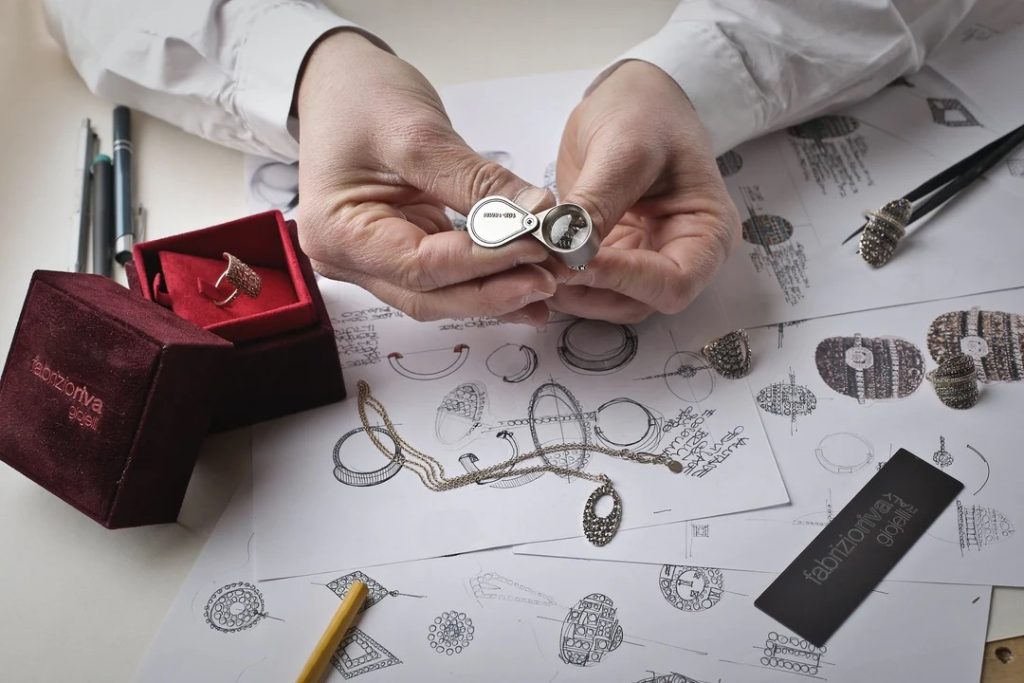

Jewelry has always been more than simple adornment. Across cultures and centuries, it has symbolized status, emotion, spirituality, and personal identity. From ancient talismans to contemporary designer pieces, jewelry continues to evolve while retaining its deep-rooted significance.
The Cultural and Emotional Significance of Jewelry
Jewelry carries stories. A ring may represent commitment, a necklace may mark heritage, and a bracelet can serve as a personal milestone. Unlike many accessories, jewelry often becomes emotionally irreplaceable, passed down through generations as heirlooms.
Key roles jewelry plays in human life include:
-
Celebration of milestones such as weddings, anniversaries, and achievements
-
Cultural expression, reflecting traditions and regional artistry
-
Personal symbolism, often tied to memories or beliefs
Types of Jewelry and Their Unique Appeal
Jewelry comes in many forms, each designed to complement different styles and occasions.
Fine Jewelry
Fine jewelry is crafted using precious metals and gemstones, designed for longevity and value.
-
Gold, platinum, and silver bases
-
Diamonds, sapphires, emeralds, and rubies
-
Often considered an investment or heirloom
Fashion Jewelry
Also known as costume jewelry, this category focuses on trend-driven design and affordability.
-
Uses mixed metals, crystals, and synthetic stones
-
Ideal for everyday wear and experimentation
-
Allows frequent style changes without high cost
Artisan and Handcrafted Jewelry
Handcrafted jewelry emphasizes individual craftsmanship and originality.
-
Often made in small batches or as one-of-a-kind pieces
-
Features natural materials and unconventional designs
-
Appeals to those seeking authenticity and uniqueness
Materials That Define Quality and Style
The materials used in jewelry greatly influence its durability, appearance, and value.
Precious Metals
-
Gold: Available in yellow, white, and rose tones, valued for its luster and resistance to tarnish
-
Platinum: Rare, dense, and hypoallergenic, ideal for fine settings
-
Silver: Elegant and versatile, though it requires regular care
Gemstones
Gemstones add color, brilliance, and personality.
-
Natural gemstones offer rarity and uniqueness
-
Lab-created stones provide ethical and budget-friendly alternatives
-
Birthstones add a layer of personal meaning
Jewelry Craftsmanship: From Concept to Creation
Behind every piece lies a meticulous process. Skilled artisans combine design, precision, and creativity to transform raw materials into wearable art.
The general process includes:
-
Conceptual design and sketching
-
Stone selection and metal shaping
-
Setting, polishing, and quality inspection
This craftsmanship ensures not only beauty but also comfort and durability.
Caring for Jewelry to Preserve Its Beauty
Proper care extends the life of jewelry and maintains its brilliance.
-
Store pieces separately to prevent scratches
-
Clean regularly using gentle methods suited to the material
-
Remove jewelry before intense physical activity or chemical exposure
Consistent care helps jewelry retain both its aesthetic and sentimental value.
Jewelry in Modern Fashion
Today, jewelry blends tradition with innovation. Minimalist designs, sustainable sourcing, and personalized pieces are shaping modern preferences. Consumers increasingly seek ethical materials and meaningful design, making jewelry both a fashion statement and a reflection of values.
Frequently Asked Questions (FAQs)
1. How can I tell if jewelry is made from genuine materials?
Look for hallmarks, certifications, and purchase from reputable sellers who provide material details.
2. Is handcrafted jewelry more durable than machine-made jewelry?
Durability depends on materials and skill, but handcrafted pieces often receive greater attention to detail.
3. What type of jewelry is best for daily wear?
Simple designs made from gold, platinum, or high-quality silver are ideal for everyday use.
4. How often should jewelry be professionally cleaned?
Once or twice a year is recommended, especially for fine jewelry with gemstones.
5. Are lab-created gemstones less valuable than natural ones?
They are typically more affordable but can offer similar visual quality and durability.
6. What jewelry styles never go out of fashion?
Classic designs such as stud earrings, solitaire rings, and delicate chains remain timeless.
7. Can jewelry be customized after purchase?
Many jewelers offer resizing, engraving, or stone replacement to personalize existing pieces.