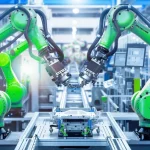

Technology is no longer a support function—it has become the primary engine of innovation across industries. From manufacturing and healthcare to finance and retail, emerging technologies are reshaping how organizations operate, compete, and deliver value. These technology trends are not isolated developments; they are interconnected forces accelerating global transformation.
The Role of Technology in Modern Innovation
Innovation today is driven by speed, scalability, and intelligence. Organizations that embrace advanced technologies can respond faster to market changes, improve efficiency, and create entirely new business models. Technology trends act as catalysts, enabling industries to move beyond traditional limitations.
Artificial Intelligence and Machine Learning
Artificial Intelligence (AI) and Machine Learning (ML) are at the forefront of technological change. They allow systems to learn from data, recognize patterns, and make decisions with minimal human intervention.
Key applications include:
-
Predictive analytics for demand forecasting
-
Automation of repetitive business processes
-
Personalized customer experiences
-
Intelligent decision support systems
AI-driven innovation is improving accuracy, reducing costs, and unlocking insights previously hidden in complex data.
Automation and Robotics
Automation is redefining productivity across sectors. Robotics and intelligent automation tools are streamlining workflows and improving consistency.
Industries adopting automation benefit from:
-
Faster production cycles
-
Reduced human error
-
Enhanced workplace safety
-
Scalable operations
From smart factories to automated customer service, automation enables organizations to do more with fewer resources.
Cloud Computing and Digital Infrastructure
Cloud computing provides the flexibility and scalability required for modern innovation. Businesses can deploy solutions faster, store vast amounts of data, and collaborate seamlessly across locations.
Major advantages include:
-
On-demand computing power
-
Cost-efficient infrastructure
-
Improved data accessibility
-
Support for remote and hybrid work models
Cloud platforms form the backbone of digital transformation initiatives worldwide.
Internet of Things (IoT) and Connected Systems
The Internet of Things connects physical devices to digital networks, enabling real-time data collection and monitoring.
IoT-driven innovation supports:
-
Smart manufacturing and predictive maintenance
-
Real-time supply chain visibility
-
Energy optimization
-
Intelligent urban infrastructure
Connected systems help industries make faster, data-informed decisions and improve operational efficiency.
Cybersecurity as a Growth Enabler
As digital adoption increases, cybersecurity has evolved from a defensive necessity into a strategic priority. Secure systems build trust and enable innovation without compromising data integrity.
Modern cybersecurity trends focus on:
-
Proactive threat detection
-
Zero-trust security models
-
Data privacy compliance
-
Secure cloud environments
Strong cybersecurity frameworks allow organizations to innovate confidently in a digital-first world.
Data Analytics and Business Intelligence
Data has become one of the most valuable assets for organizations. Advanced analytics tools transform raw data into actionable insights.
Benefits of data-driven innovation include:
-
Better strategic planning
-
Enhanced customer understanding
-
Improved operational performance
-
Faster problem identification
Industries that leverage analytics gain a competitive edge through informed decision-making.
Industry-Wide Impact of Technology Trends
Technology trends are not confined to one sector. Their impact spans:
-
Healthcare through digital diagnostics and remote care
-
Manufacturing via smart factories and automation
-
Finance with digital payments and risk analytics
-
Retail through personalized and omnichannel experiences
-
Education using virtual learning platforms and AI tools
This cross-industry influence highlights the universal importance of technological innovation.
Preparing for the Future of Technology-Driven Innovation
To remain competitive, organizations must:
-
Invest in digital skills and training
-
Foster a culture of continuous innovation
-
Adopt scalable and flexible technologies
-
Align technology strategies with long-term goals
Future-ready businesses treat technology as a strategic partner rather than a one-time investment.
Frequently Asked Questions (FAQs)
What are technology trends?
Technology trends are emerging patterns in technological development that influence how industries operate, innovate, and grow over time.
Why are technology trends important for businesses?
They help businesses stay competitive, improve efficiency, reduce risks, and identify new growth opportunities.
Which technology trend is impacting industries the most?
Artificial intelligence and automation currently have the broadest impact across multiple industries.
How do technology trends drive innovation?
They enable faster processes, data-driven decisions, new business models, and improved customer experiences.
Are technology trends the same across all industries?
While core technologies are similar, their applications vary depending on industry needs and challenges.
How can organizations keep up with technology trends?
By monitoring industry developments, investing in employee skills, and adopting flexible digital strategies.
Do technology trends create new job opportunities?
Yes, while some roles are automated, new jobs emerge in data analysis, AI development, cybersecurity, and digital strategy.