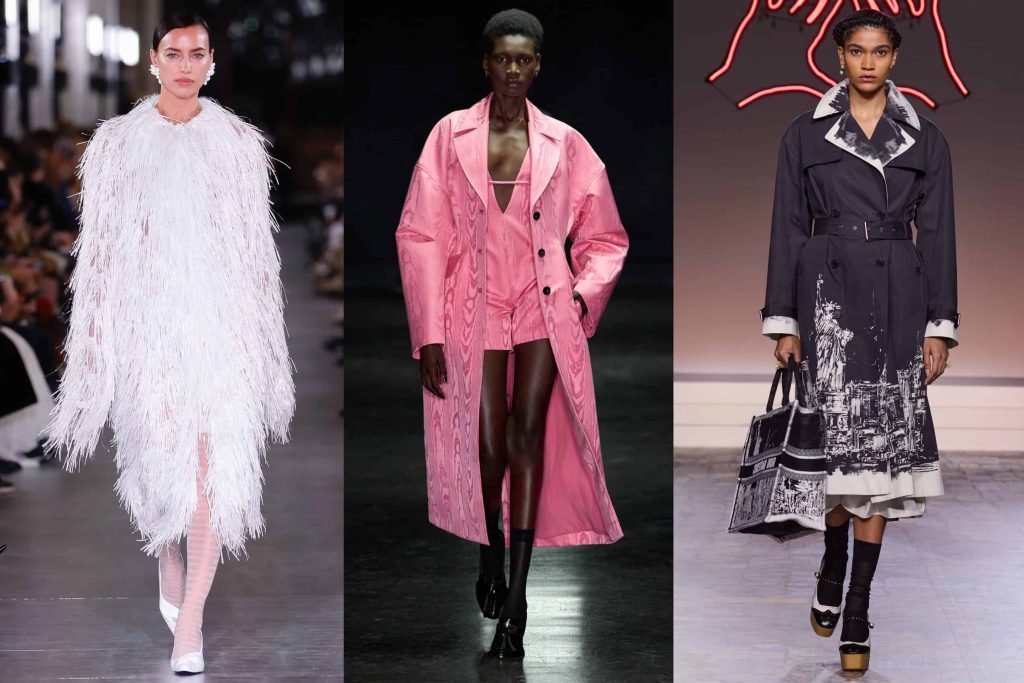

Fashion is more than clothing—it is a living form of expression that reflects culture, technology, economics, and personal identity. From everyday streetwear to high-end couture, fashion continuously evolves, responding to social change and individual creativity. In today’s fast-moving world, style choices often speak before words do.
The Evolution of Fashion Over Time
Fashion has always been influenced by the era it exists in. Historical events, technological innovation, and cultural movements all leave a visible mark on what people wear.
Key Influences That Shape Fashion
-
Cultural shifts such as music, art, and social movements
-
Technological advancements in fabrics and manufacturing
-
Economic conditions that affect accessibility and trends
-
Globalization, allowing styles to cross borders instantly
What once took decades to change can now evolve within a single season, largely due to digital media and global connectivity.
Modern Fashion Trends Defining Today’s Style
Contemporary fashion balances individuality with functionality. Comfort, sustainability, and versatility are now just as important as aesthetics.
Popular Trends in Today’s Fashion Landscape
-
Sustainable fashion using eco-friendly fabrics and ethical production
-
Gender-neutral clothing that challenges traditional norms
-
Minimalist wardrobes focused on timeless pieces
-
Streetwear influence blending casual and luxury elements
These trends reflect a shift toward conscious consumption and personal authenticity.
Fashion as a Form of Self-Expression
What you wear often communicates who you are, what you value, and how you want to be perceived. Fashion allows people to experiment with identity while building confidence.
Personal style is shaped by:
-
Lifestyle and profession
-
Cultural background
-
Personal values and comfort preferences
-
Inspiration from media, influencers, and travel
Rather than following trends blindly, many people now focus on creating a style that feels genuine and adaptable.
The Role of Sustainability in Fashion
The fashion industry has faced growing scrutiny for its environmental impact. As awareness increases, brands and consumers alike are embracing more responsible choices.
Sustainable Fashion Practices Include
-
Using recycled or organic materials
-
Reducing waste through slow fashion models
-
Supporting ethical labor practices
-
Investing in durable, long-lasting garments
Sustainability is no longer a niche—it is becoming a core value within modern fashion.
Building a Versatile and Timeless Wardrobe
A well-curated wardrobe doesn’t require endless shopping. Instead, it focuses on balance, quality, and adaptability.
Essential Wardrobe Staples
-
Neutral basics like well-fitted shirts and trousers
-
Layering pieces such as jackets and sweaters
-
Statement items that add personality
-
Versatile footwear suitable for multiple occasions
This approach saves time, money, and reduces environmental impact while keeping style consistent.
Accessories: The Details That Elevate Fashion
Accessories often define an outfit. A simple look can be transformed with the right additions.
Popular accessories include:
-
Bags and belts for structure
-
Jewelry for personal flair
-
Scarves and hats for seasonal styling
-
Sunglasses for both function and fashion
Thoughtful accessorizing allows creativity without overhauling an entire wardrobe.
The Future of Fashion
Fashion is moving toward a future driven by technology, inclusivity, and sustainability. Innovations such as digital fashion, virtual fitting rooms, and smart fabrics are already reshaping the industry.
As trends become more fluid and personalized, fashion will continue to serve as a powerful tool for storytelling and self-definition.
Frequently Asked Questions (FAQ)
1. What is the difference between fashion and style?
Fashion refers to popular trends, while style is a personal expression that reflects individual preferences.
2. How can someone develop their own fashion sense?
By experimenting with different looks, understanding what feels comfortable, and drawing inspiration without copying trends exactly.
3. Is sustainable fashion more expensive?
Not always. While some pieces cost more upfront, they often last longer and reduce the need for frequent replacements.
4. How often do fashion trends change?
Trends can change seasonally, but many modern styles overlap and evolve rather than disappear completely.
5. Can minimal wardrobes still be fashionable?
Yes, minimal wardrobes focus on versatility and timeless pieces, making them both stylish and practical.
6. Why are accessories important in fashion?
Accessories add personality, balance, and detail, often transforming simple outfits into complete looks.
7. What role does technology play in modern fashion?
Technology improves design, production, shopping experiences, and introduces innovations like virtual try-ons and smart fabrics.