
Dress designers play a powerful role in preserving, transforming, and promoting cultural and traditional fashion styles. By blending heritage with contemporary aesthetics, they ensure that traditional attire remains relevant in a rapidly evolving fashion landscape. Their work bridges generations, allowing cultural identity to thrive through modern expression.
Preserving Cultural Heritage Through Dress Design
One of the most important contributions of dress designers is the preservation of cultural identity. Traditional clothing often carries deep meanings linked to history, rituals, and social values.
Dress designers help preserve heritage by:
-
Reviving traditional silhouettes and garments
-
Using indigenous fabrics and handwoven textiles
-
Incorporating age-old embroidery and craftsmanship techniques
-
Respecting cultural symbolism in colors and motifs
Through thoughtful design, traditions that might otherwise fade are kept alive and appreciated by new audiences.
Modernizing Traditional Fashion for Contemporary Audiences
To keep cultural fashion relevant, dress designers reinterpret traditional styles for modern lifestyles.
Fusion of Tradition and Modernity
Designers often blend:
-
Traditional patterns with modern cuts
-
Heritage fabrics with contemporary silhouettes
-
Cultural motifs with minimal or global aesthetics
This fusion makes traditional fashion wearable beyond ceremonial occasions, expanding its appeal.
Role of Dress Designers in Cultural Representation
Dress designers act as cultural ambassadors. Their designs introduce regional traditions to national and international platforms.
Their influence includes:
-
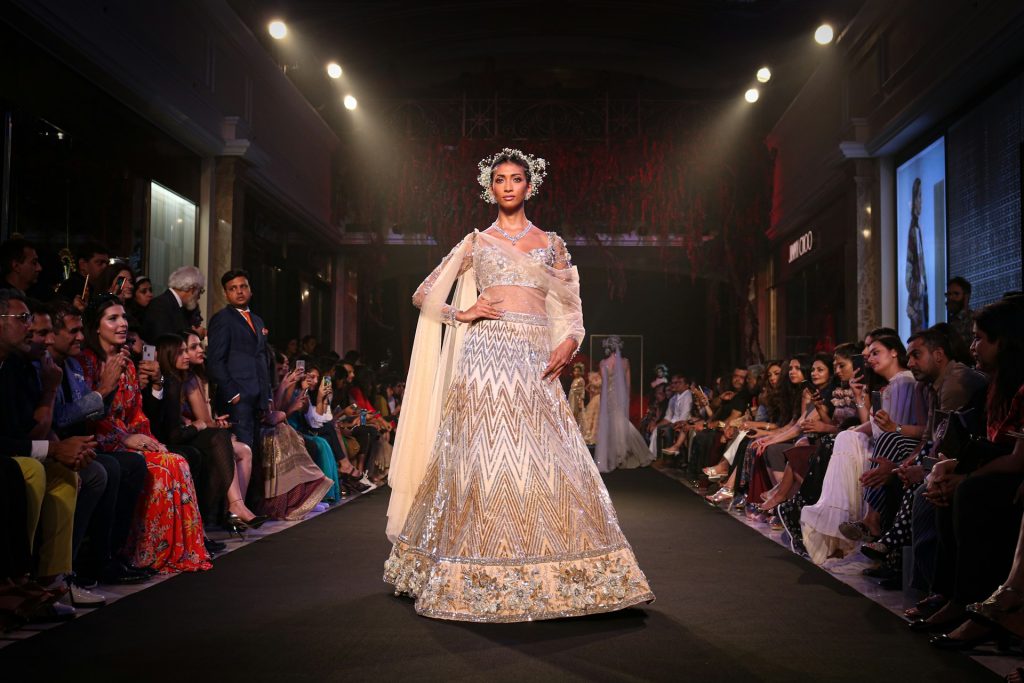
Showcasing cultural attire at fashion events
-
Promoting traditional craftsmanship globally
-
Encouraging cultural pride through fashion
Such representation helps cultures gain recognition and respect across borders.
Reviving Traditional Crafts and Artisanship
Many traditional techniques face decline due to mass production. Dress designers contribute to their revival by collaborating with local artisans.
Supporting Craft Communities
Dress designers:
-
Create demand for handcrafted textiles
-
Provide sustainable livelihoods to artisans
-
Ensure traditional skills are passed to future generations
This collaboration strengthens both fashion innovation and cultural sustainability.
Cultural Storytelling Through Dress Design
Every traditional dress tells a story—of origin, beliefs, and social identity. Designers use fashion as a storytelling medium.
Through:
-
Symbolic embroidery
-
Regional color palettes
-
Culturally inspired detailing
Dress designers transform garments into narratives that connect wearers to their roots.
Challenges in Influencing Traditional Fashion
Balancing authenticity with innovation is not always easy.
Common challenges include:
-
Avoiding cultural misrepresentation
-
Maintaining originality without diluting tradition
-
Meeting modern comfort and lifestyle needs
-
Respecting cultural sensitivity while experimenting
Skilled dress designers navigate these challenges with research, respect, and collaboration.
Impact of Global Fashion on Traditional Styles
Global exposure has encouraged cross-cultural exchange. Dress designers adapt traditional styles to suit global tastes while preserving core elements.
This has led to:
-
Increased global demand for ethnic-inspired dresses
-
Evolution of traditional attire into luxury and couture segments
-
Broader appreciation of cultural diversity in fashion
Why Dress Designers Matter in Cultural Fashion Evolution
Dress designers ensure that traditional fashion evolves rather than disappears. By honoring heritage while embracing innovation, they keep cultural fashion alive, dynamic, and meaningful in modern society.
Their influence extends beyond clothing—shaping identity, pride, and cultural continuity.
Frequently Asked Questions (FAQs)
1. How do dress designers preserve cultural authenticity?
They study historical references, collaborate with artisans, and respect traditional symbolism.
2. Can modern designs still be considered traditional?
Yes, if core cultural elements and meanings are preserved within updated designs.
3. Why is fusion fashion popular today?
Fusion fashion offers cultural expression while fitting modern lifestyles and global trends.
4. Do dress designers work directly with artisans?
Many designers collaborate closely with local craftsmen to ensure authenticity and quality.
5. How do designers avoid cultural appropriation?
They approach designs with research, respect, and acknowledgment of cultural origins.
6. Can traditional fashion succeed in global markets?
Yes, when adapted thoughtfully, traditional styles gain strong international appeal.
7. What role does sustainability play in traditional dress design?
Traditional fashion often supports slow fashion, natural materials, and ethical craftsmanship.