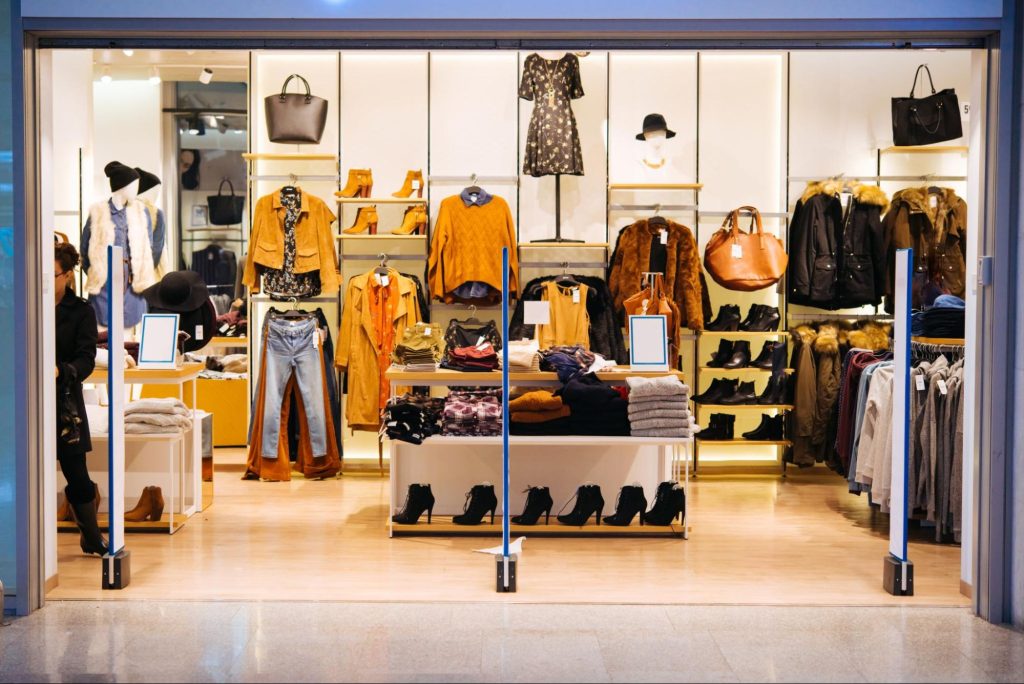

Boutique store design plays a powerful role in shaping how customers feel, move, and make purchasing decisions. Unlike large retail chains, boutiques rely on atmosphere, emotion, and personalization to influence buying behavior. Every design choice—from layout to lighting—works together to create an engaging and memorable shopping experience.
The Psychological Impact of Boutique Store Design
Design directly affects customer psychology. A thoughtfully designed boutique makes shoppers feel comfortable, valued, and inspired, which naturally increases the likelihood of purchase.
Positive psychological triggers include:
-
Feeling relaxed rather than rushed
-
Emotional connection with the brand
-
A sense of exclusivity and discovery
Layout Encourages Exploration and Engagement
Boutique layouts are intentionally designed to slow customers down. Instead of long aisles, boutiques use open spaces, focal points, and curated sections to guide movement naturally.
Effective layouts help:
-
Encourage browsing
-
Highlight featured or high-margin items
-
Create a journey rather than a transaction
Lighting Enhances Product Appeal
Lighting is one of the most influential design elements in boutique stores. Soft, warm lighting creates an inviting atmosphere, while focused lighting draws attention to key products.
Benefits of strategic lighting:
-
Makes colors and textures stand out
-
Adds depth and warmth to the space
-
Enhances perceived product quality
Visual Merchandising Drives Purchase Decisions
Boutiques rely heavily on visual storytelling. Displays are designed to show how items fit into a lifestyle rather than simply placing products on shelves.
Strong visual merchandising:
-
Helps customers imagine using or wearing products
-
Reduces decision fatigue
-
Encourages impulse purchases
Color Schemes Shape Mood and Brand Identity
Color choices influence emotions and behavior. Neutral tones create calm and elegance, while bold colors add energy and creativity.
Well-chosen color schemes:
-
Reinforce brand personality
-
Create emotional comfort
-
Improve overall shopping satisfaction
Sensory Design Creates Memorable Experiences
Boutique store design goes beyond visuals by engaging multiple senses.
Sensory elements include:
-
Soft background music
-
Pleasant scents
-
Comfortable textures and materials
These elements deepen emotional engagement and make customers more likely to stay longer and spend more.
Personal Space Builds Comfort and Trust
Unlike crowded retail stores, boutiques prioritize space and flow. Ample room between displays allows customers to browse without pressure.
This approach:
-
Reduces shopping anxiety
-
Encourages thoughtful decision-making
-
Builds trust and comfort
Design Reinforces Brand Storytelling
Every design detail communicates a message. From furniture style to signage, boutique design tells a story about values, quality, and identity.
Consistent design storytelling:
-
Builds brand recognition
-
Creates emotional loyalty
-
Differentiates the boutique from competitors
Why Design Matters for Boutique Success
A well-designed boutique does more than look appealing—it directly influences buying behavior by shaping emotions, perceptions, and confidence. When customers feel connected and comfortable, purchases become a natural outcome rather than a forced decision.
FAQs
Why is boutique store design more important than traditional retail design?
Boutiques rely on experience and personalization rather than volume, making design a key driver of customer engagement and sales.
How does store layout affect buying behavior?
A thoughtful layout encourages browsing, highlights key products, and keeps customers in the store longer.
Can small boutiques benefit from professional design?
Yes. Even simple design improvements can significantly enhance customer comfort and purchasing behavior.
What role does lighting play in boutique sales?
Lighting improves product visibility, enhances mood, and increases perceived product value.
Do sensory elements really influence customer decisions?
Yes. Music, scent, and texture create emotional connections that positively impact buying behavior.
How often should boutique store design be updated?
Minor updates seasonally and major refreshes every few years help keep the store engaging and relevant.
Can boutique design influence brand loyalty?
Absolutely. A consistent and memorable design experience strengthens emotional attachment and repeat visits.